You Were Trained to Spend. Here's Who Planned It.
A century ago, businesses faced a problem: people only bought what they needed. So they changed the people.
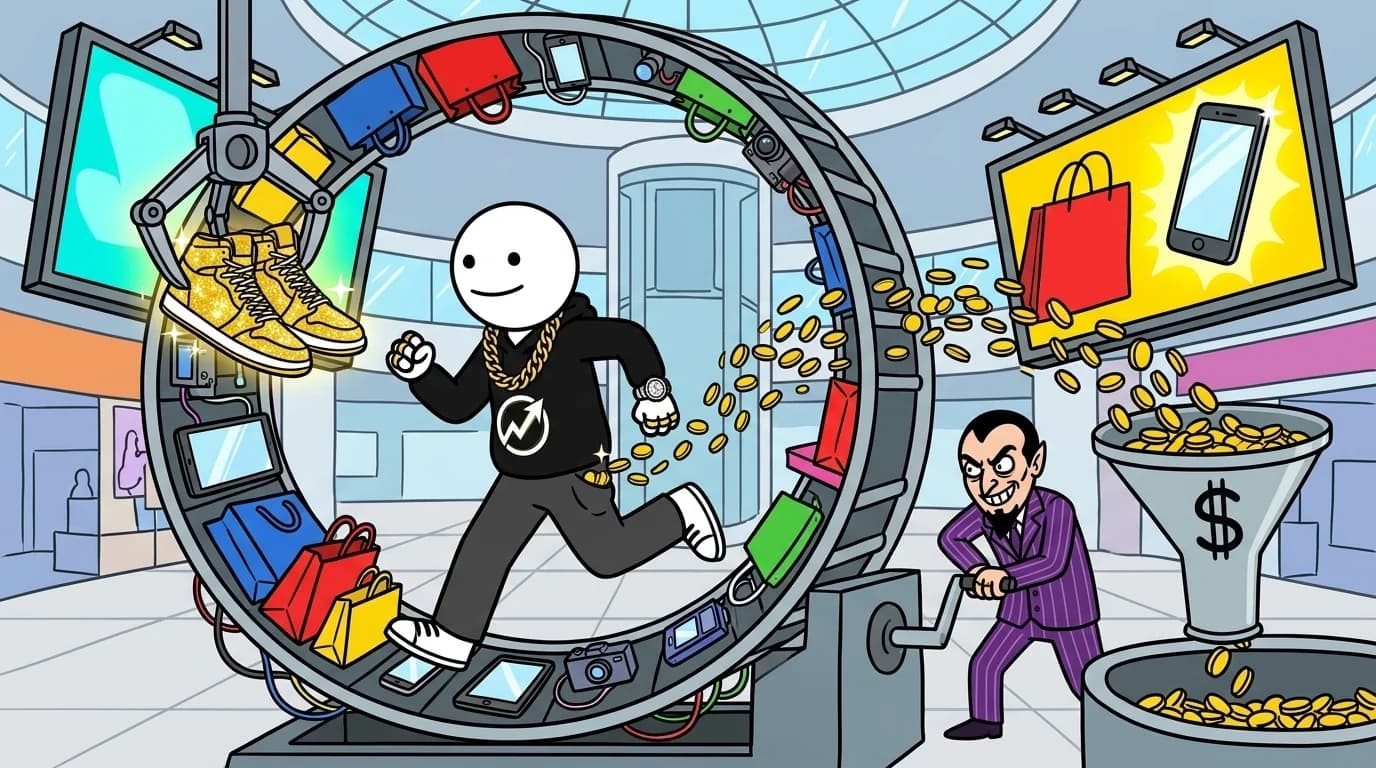
- In the 1920s, mass production created more goods than people 'needed'.
- Bankers and ad men openly talked about shifting society from needs to desires.
- Planned obsolescence was real: a 1920s cartel deliberately shortened light-bulb life.
- Every purchase you don't make is a small piece of freedom you keep.
Picture a family in 1900. They buy a coat when the old one wears out. Furniture lasts a lifetime. Whatever's left over goes into savings.
Now picture that from a factory owner's point of view. That family is a problem.
Too many products, not enough wanting
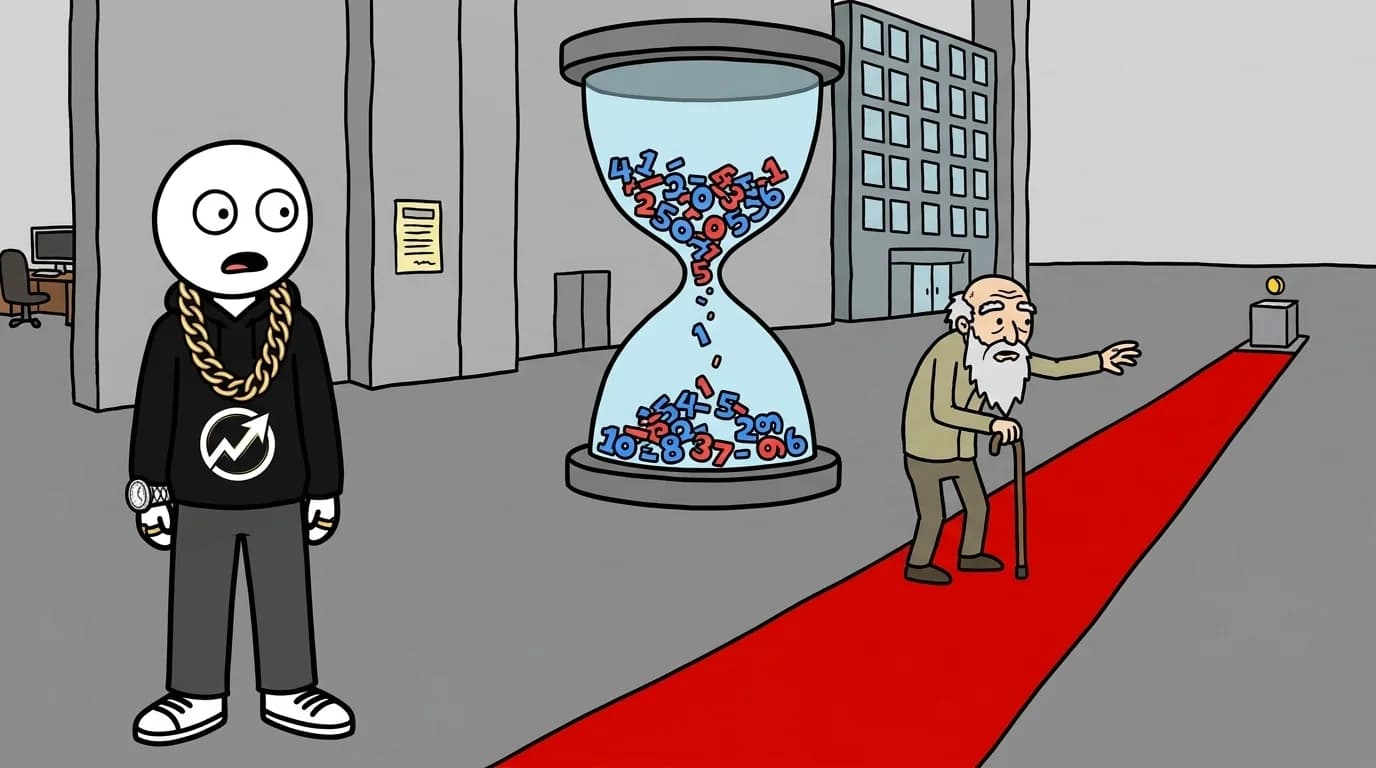
By the 1920s, factories could make far more than people needed. If families kept buying only when things broke, sales would stall. Worse: people with healthy savings don't depend on their jobs as much.
Wall Street banker Paul Mazur of Lehman Brothers is widely quoted as summing up the solution:
“We must shift America from a needs to a desires culture. People must be trained to desire, to want new things, even before the old have been entirely consumed.”
Whether or not those were his exact words, the strategy was very real. And it worked.
The playbook they used
- Sell feelings, not features. Edward Bernays — Sigmund Freud's nephew and the 'father of public relations' — tied products to identity, status and freedom.
- Make things wear out. In 1924, the major light-bulb makers formed the Phoebus cartel and agreed to cap bulb life at about 1,000 hours, down from much longer.
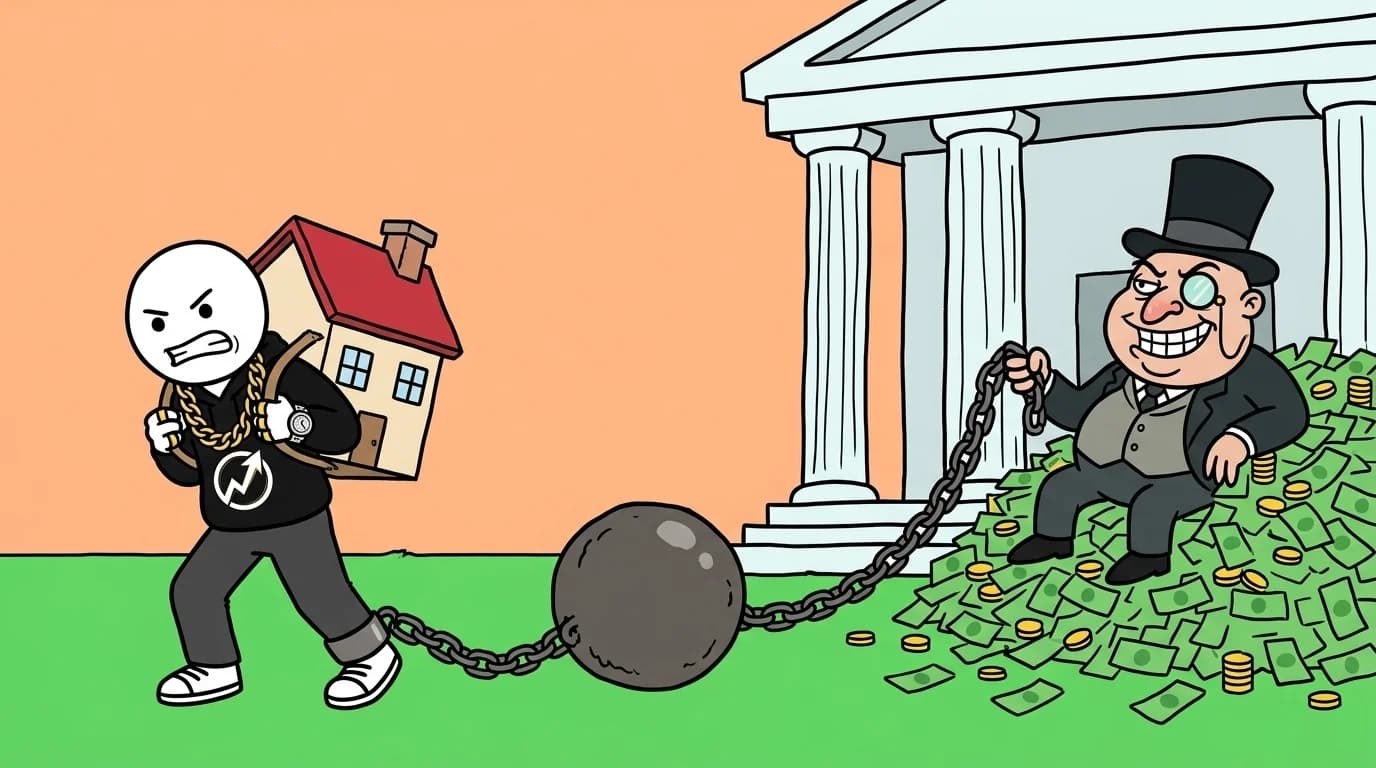
- Make paying painless. Installment plans exploded in the 1920s. For the first time, ordinary families bought cars and appliances on monthly credit.
- Keep the target moving. New models, new colors, new seasons. Yesterday's 'new' becomes today's 'outdated'.
Why it keeps you working
Here's the uncomfortable part. A person who spends everything they earn needs the next paycheck. That person can't negotiate hard, can't take risks, can't walk away.
“They don't want you to save. They need you to spend.”
Every purchase you didn't really want isn't just money gone. It's a little more of your future time sold in advance.
- New phone
- $1,200
- Your take-home per hour
- $20
- Real price
- 60 hours of your life
Before buying anything over $100, divide the price by what you actually take home per hour. Then decide if it's worth that many hours.
5 ways to step off the treadmill
- The 72-hour rule. Want something non-essential? Wait three days. Most cravings disappear.
- Unsubscribe aggressively. Every marketing email is a trained salesperson living in your inbox.
- Pay yourself first. Automate savings the day your salary lands — spend what's left, not the other way around.
- Buy for function, not identity. Ask: would I still want this if nobody ever saw it?
- Redirect, don't just restrict. Put the money you save into something that grows — skills, a side project, investments.
Independence starts the moment you stop buying the trap. Mindset over paycheck.
The end
Found this useful? The fastest way to support the page is to share the reel with one person who needs it.
The Sunday Money Note
One idea. One story. One thing to do this week. The research behind the reels, straight to your inbox. No spam, no hype.