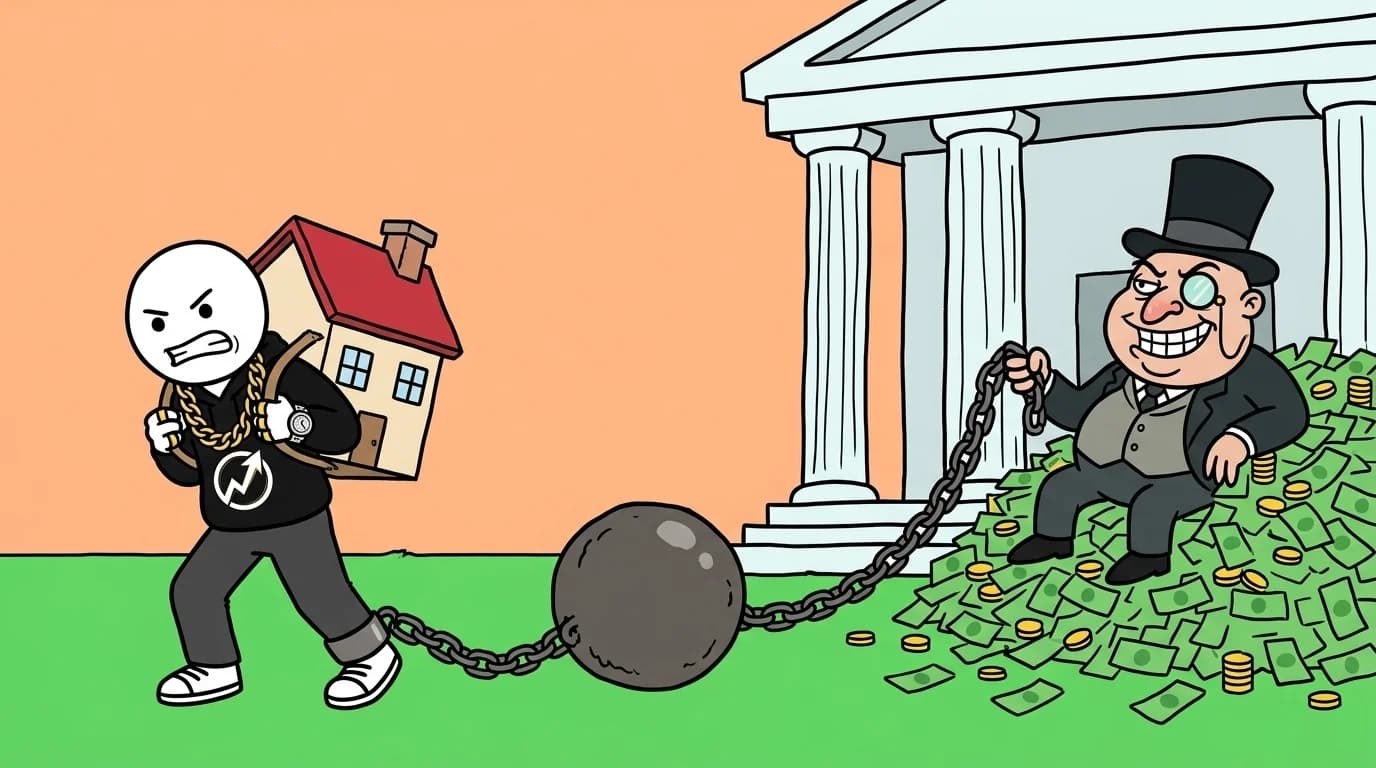
Retirement Was Designed for People Who Never Reached It
The magic number 65 was never about your happiness. It was about the math of who would still be alive to collect.
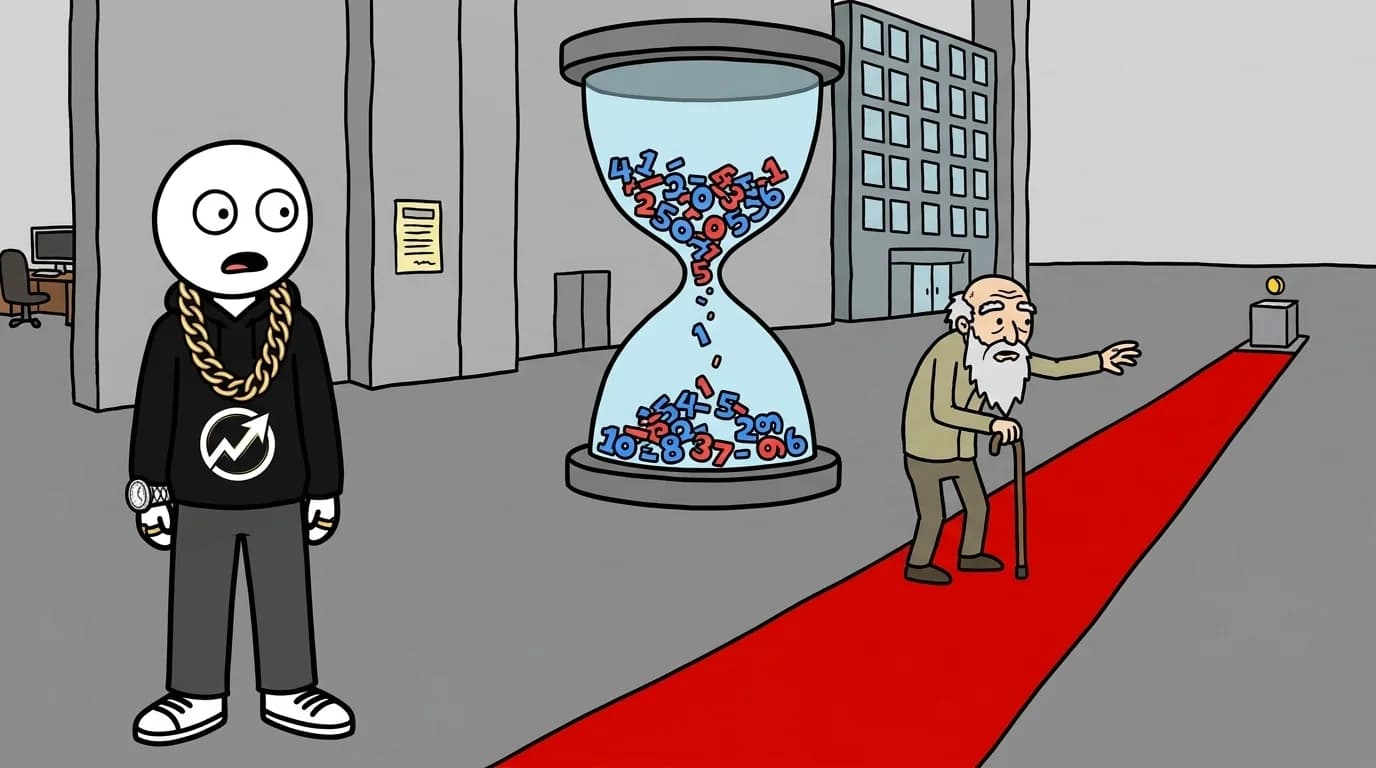
- The first state pension (Germany, 1889) paid out at 70 — an age most workers never saw.
- When the US picked 65 in 1935, average life expectancy at birth was around 60.
- The system works fine on paper. The hidden cost is that it asks you to postpone your healthiest decades.
- You don't need to quit your job. You need to start building something that's yours — now.
Ask anyone when they plan to stop working and you'll hear the same number: sixty-five. It feels like a law of nature. Like the boiling point of water.
It isn't. Somebody picked it. And the reason they picked it should change how you think about the next 40 years of your life.
Where the number actually came from
In 1889, German chancellor Otto von Bismarck launched the world's first national old-age pension. It was a political move — a way to calm a restless working class without giving away too much.
The payout age? Seventy. At a time when most Germans never made it that far. It was later lowered to 65 in 1916, but the logic stayed the same: a promise that sounds generous, priced so that relatively few people collect for very long.
When the United States created Social Security in 1935, it also landed on 65. Average life expectancy at birth in America at the time? Roughly 60 years.
The deal you're really being offered
Strip away the paperwork and the traditional plan looks like this:
- Trade your 20s, 30s, 40s and 50s — your strongest, healthiest, most energetic years — for a salary.
- Save a slice of it and hope inflation doesn't eat it.
- Start living on your own terms at an age when your knees, your energy and your time are all running low.
“Putting off your life for decades gives away the only youth you'll ever have.”
Nobody is saying pensions are a scam. Saving for later is smart. The problem is treating retirement as the plan instead of a backup plan.
The real cost isn't money. It's time.
Here's a quick way to see it. Take the average working life: 40 years, 48 weeks a year, 40 hours a week.
- Hours per week
- 40
- Weeks per year
- 48
- Years of work
- 40
- Total hours sold
- 76,800
That's about 8.8 years of non-stop, 24/7 time — handed over before you're 'allowed' to rest.
Most of those hours go to building somebody else's asset. The company grows. The shareholders grow. You get a paycheck that stops the moment you do.
You don't have to quit. You have to start.
This is where people get it wrong. Mindset over paycheck doesn't mean storming out of your job tomorrow. It means using the hours that are already yours — evenings, weekends, the commute — to build something that pays you back.
This page is the proof. It started as an experiment at the end of June, built in the hours after work. A hundred days later: 80,000 followers and almost 27 million views. Same 24 hours as everyone else.
Own your time, right now
Retirement was built around a number on a calendar. Freedom is built around assets — things that keep paying you whether you show up or not.
Stop waiting for old age to give you permission. Own your time right now.
The end
Found this useful? The fastest way to support the page is to share the reel with one person who needs it.
The Sunday Money Note
One idea. One story. One thing to do this week. The research behind the reels, straight to your inbox. No spam, no hype.