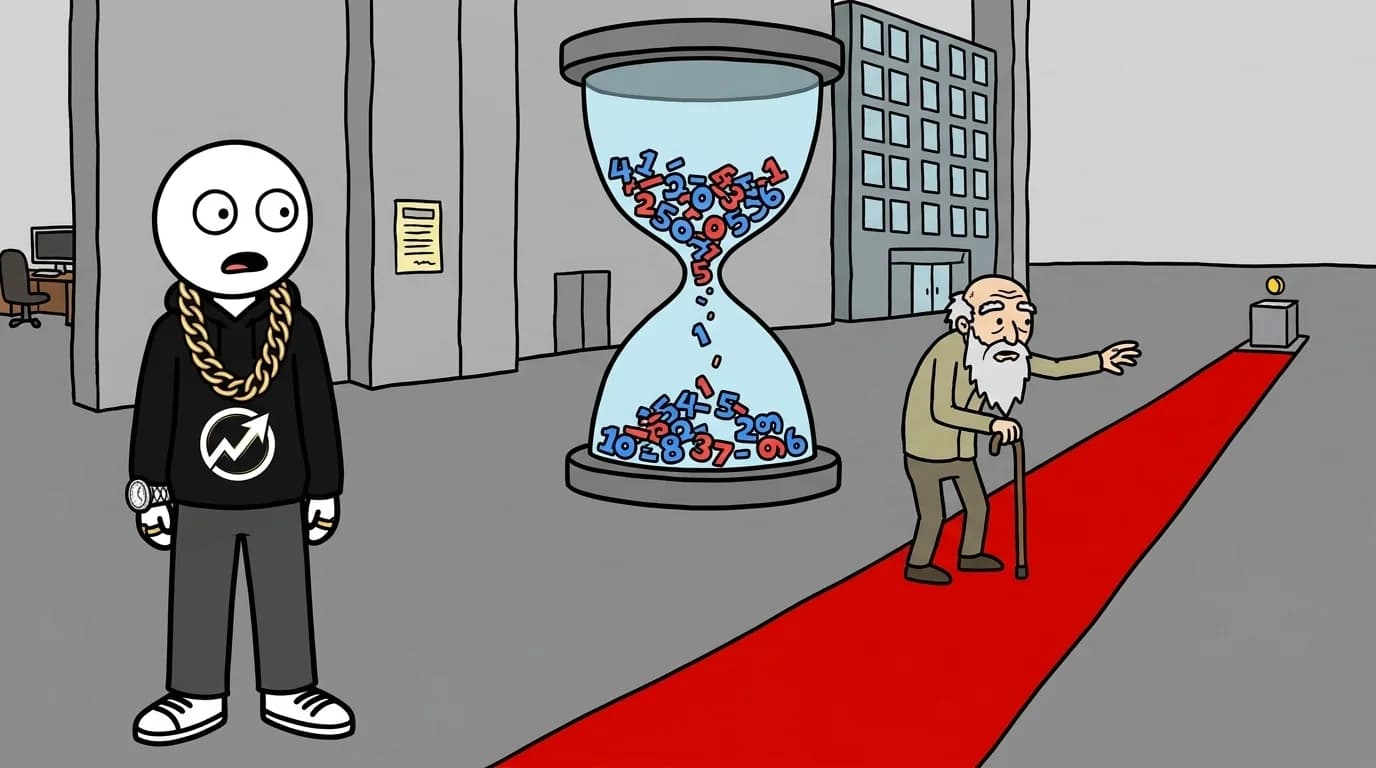
The Word Mortgage Literally Means “Death Pledge”
A 30-year loan feels normal because everyone has one. Here's what the word — and the math — actually say.
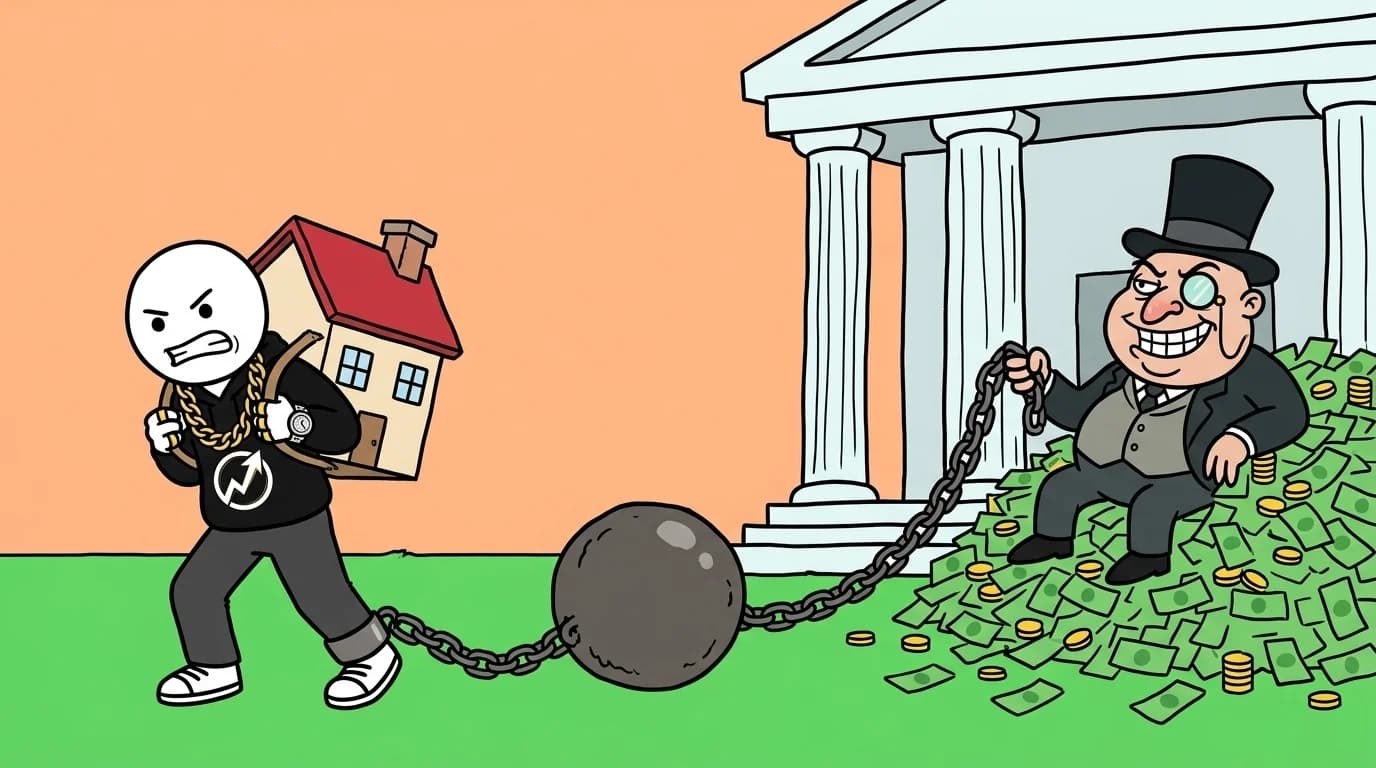
- Mortgage comes from Old French: mort (dead) + gage (pledge).
- Before the 1930s, home loans in the US were typically short — often 5 to 10 years with big down payments.
- A $300,000 loan at 7% over 30 years costs about $718,000 in total.
- A home can be a great decision. Just don't confuse it with an asset that pays you.
Some words hide their meaning in plain sight. Mortgage is one of them.
It comes from Old French: mort, meaning dead, and gage, meaning pledge. Put together, a mortgage is literally a death pledge.
Why “dead”?
Medieval lawyers explained it simply. The pledge “dies” in one of two ways: either the debt is fully paid and the deal is over, or the borrower fails to pay and the land is lost to them for good.
“Either the debt dies, or your claim to the land does. There is no third option.”
It's a dramatic name. But it was an honest one.
Home loans used to be short
Here's what surprises most people. Before the 1930s, a typical American home loan looked nothing like today's.
- Terms were short — often 5 to 10 years.
- Buyers commonly put down around half of the price.
- Many loans were interest-only, with the full balance due at the end.
After the Great Depression, the government stepped in. The Federal Housing Administration (1934) and later Fannie Mae (1938) helped popularize long, fully paid-off loans. After World War II, the 30-year mortgage became the default.
Let's do the math
Take a $300,000 loan at 7% interest. Same house, two different terms:
- 30-year monthly payment
- ≈ $1,996
- 30-year total paid
- ≈ $718,500
- 15-year monthly payment
- ≈ $2,697
- 15-year total paid
- ≈ $485,400
The 30-year loan costs roughly $233,000 more for the exact same house. That difference is pure bank profit.
On the 30-year loan, you pay about $418,000 in interest alone — more than the house itself. And in the early years, most of each payment goes to interest, not to owning more of your home.
“The bank owns the house. You just pay the bills.”
Is your house an asset?
This is the idea that made Rich Dad Poor Dad famous. Robert Kiyosaki's definition is brutally simple: an asset puts money in your pocket. A liability takes money out.
By that definition, the home you live in — with a mortgage, taxes, insurance and repairs — takes money out every single month. It can still be a smart move. It can grow in value. But it's not paying you.
What you can actually do
- Put down more if you can. Every euro or dollar borrowed is a dollar you'll pay interest on for decades.
- Consider a shorter term. A higher monthly payment can save you a fortune over the life of the loan.
- Pay extra toward principal. Even small extra payments early on cut years off the loan.
- Buy for living, not for status. The house you can comfortably afford beats the house that owns you.
A mortgage isn't a death sentence. But it is a pledge. Know exactly what you're promising before you sign.
The end
Found this useful? The fastest way to support the page is to share the reel with one person who needs it.
The Sunday Money Note
One idea. One story. One thing to do this week. The research behind the reels, straight to your inbox. No spam, no hype.