Why the Middle Class Was Invented to Keep You Working for 40 Years
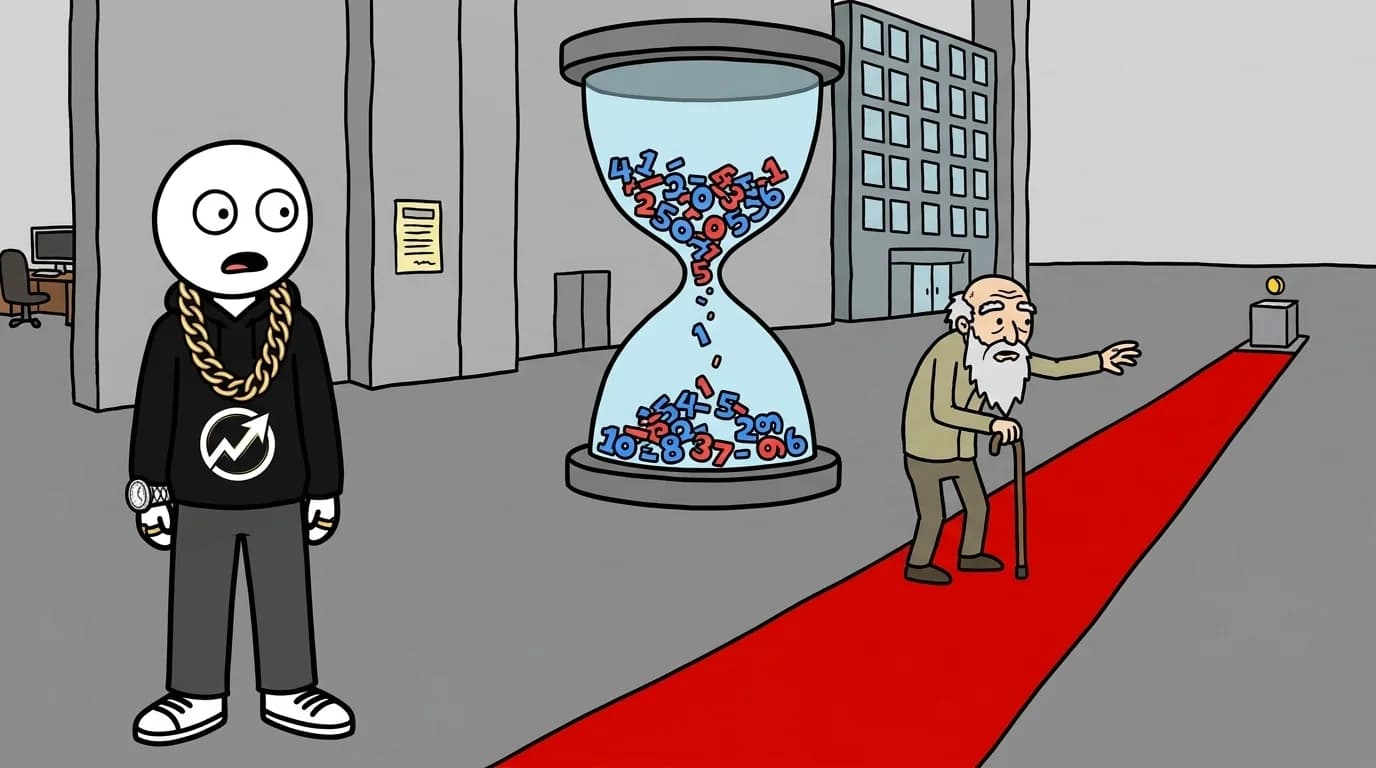
Before the Industrial Revolution, you were either an owner or a laborer. The middle class was engineered as a buffer: comfortable enough not to revolt, but indebted enough to work for four decades.
- Before industrialization, society had two primary groups: landowners who owned productive assets and laborers who worked for daily survival.
- The modern middle class was engineered as an economic buffer: comfortable enough to reject revolution, but dependent on a steady paycheck.
- Consumer debt, long-term mortgages, and lifestyle creep turned forty years of labor into the standard definition of success.
- Comfort is not freedom. True independence means converting surplus income into assets that buy back your time.
We are raised to believe that reaching the middle class is the pinnacle of adult achievement.
You study hard, land a reputable salaried job, qualify for a thirty-year mortgage in the suburbs, lease two sensible cars, and save whatever is left over into a locked retirement account. Society calls this stability. It calls this winning.
Yet on Sunday nights, millions of hardworking professionals feel a familiar dread in their stomachs. Despite earning six figures, they cannot take three months off without risking financial ruin. If comfort feels like an invisible cage, that is because it was designed to be one.
The two-tier world before industrialization
For most of recorded human history, society was split into two straightforward categories: those who owned productive capital, and those who traded raw sweat for subsistence.
You had feudal lords, monarchs, and merchant families on one side who held land, ships, and title deeds. On the other side were peasants, tenant farmers, and manual laborers who owned nothing beyond their daily labor. That arrangement was historically volatile. When working conditions became intolerable, peasants revolted, burned estates, and overturned ruling dynasties.
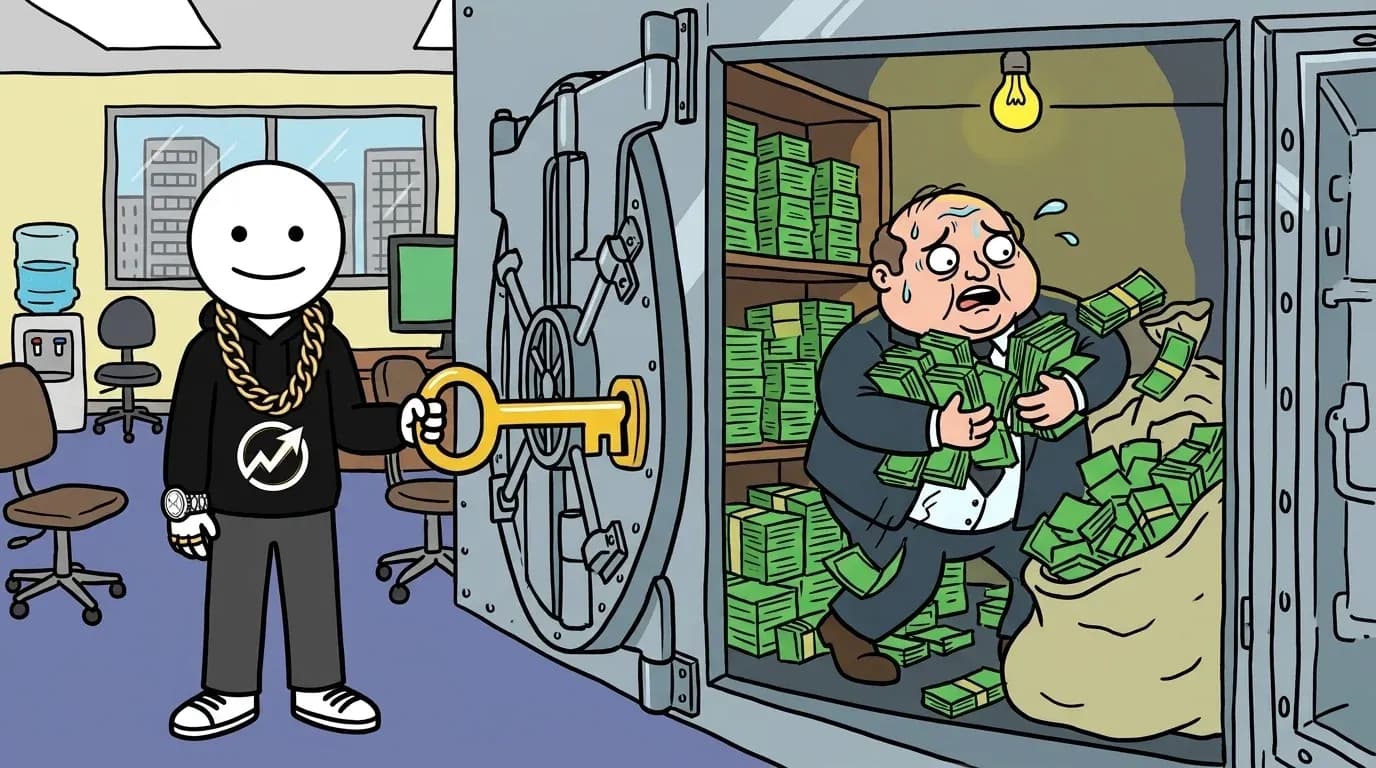
As the Industrial Revolution took hold in the nineteenth century, factory barons and industrialists realized they needed a reliable, predictable workforce that would operate complex machinery without constantly striking or tearing down the factory gates. They needed a social shock absorber.
“A starving population revolts. A wealthy population walks away. A comfortable, indebted population shows up to work every Monday morning for forty years.”
How comfort became a longer leash
The genius of the middle class was offering ordinary families a taste of luxury, wrapped in an ironclad financial contract.
By offering predictable wages, forty-hour workweeks, company health plans, and thirty-year amortized mortgages, the economic system gave workers just enough comfort to feel superior to manual laborers, while keeping them completely dependent on their next biweekly direct deposit.
When you finance a suburban house, two late-model SUVs, private school tuitions, and annual resort vacations, you cannot afford to question corporate policy. You cannot afford to walk away from a toxic boss. You cannot take a gap year to build your own venture. Your lifestyle has been carefully engineered to absorb one hundred percent of your income.
The math of the forty-year treadmill
- Gross lifetime earnings ($80,000/yr avg across 40 years)
- $3,200,000
- Federal, state, and payroll taxes
- ≈ $850,000
- 30-year mortgage (principal, interest, property tax, insurance)
- ≈ $920,000
- Vehicles, financing, fuel, insurance, and maintenance
- ≈ $480,000
- Day-to-day living, groceries, subscriptions, consumer retail
- ≈ $750,000
- Net liquid wealth accumulated outside primary residence
- < $200,000
After eighty thousand hours on the job, the average household has accumulated lifestyle debt, not sovereign freedom.
The trap is not that you are underpaid. The trap is that the middle class lifestyle is calibrated so that every dollar of additional income is immediately swallowed by an upgrade in liabilities.
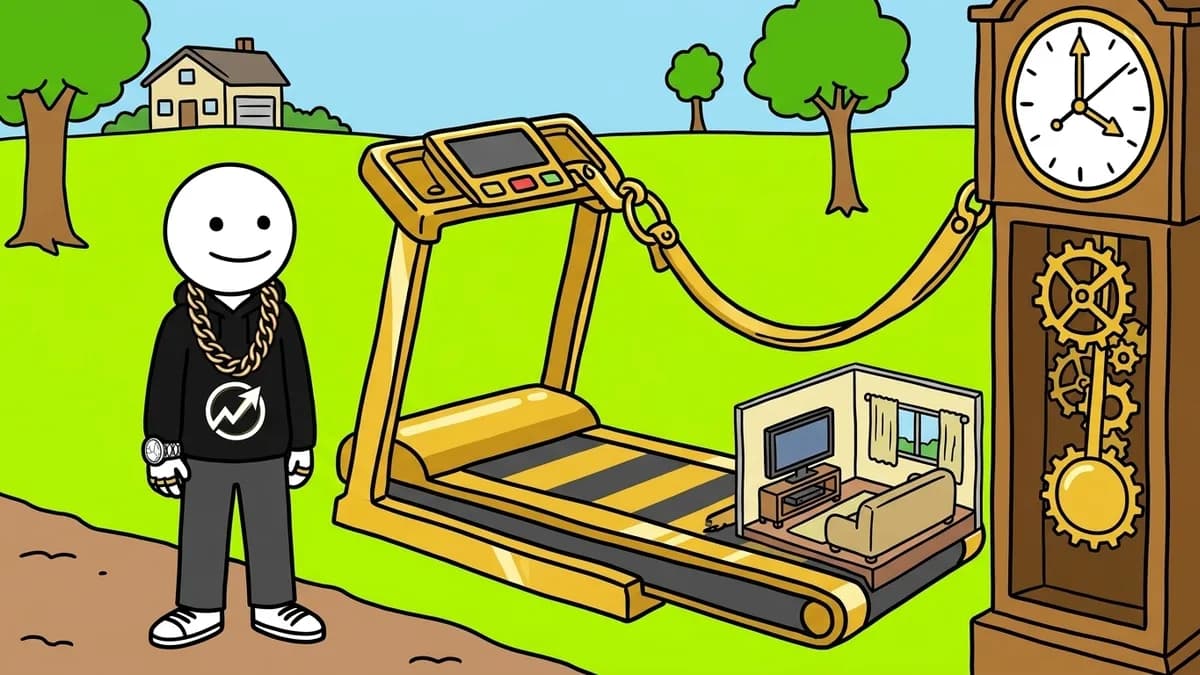
A promotion leads to a larger home, which brings higher property taxes, higher utility bills, and higher insurance premiums. A bonus justifies a newer car lease. The treadmill speeds up, but the distance traveled never changes.
Comfort is not the same as freedom
There is a profound difference between being comfortable and being free. Comfort means having a plush leather seat while strapped into someone else's vehicle. Freedom means owning the steering wheel.
True wealth has never been about driving a luxury German sedan or living in a neighborhood with manicured lawns. True wealth is sovereign time: the ability to wake up on a Tuesday morning and decide what you will do with your day without asking anyone for permission.
What you can actually do this week
- Audit your fixed monthly burn rate. Calculate exactly how much money leaves your account each month before you buy a single meal. High fixed costs are the chains that bind you to a forty-year desk.
- Reject lifestyle upgrades on your next raise. When your income goes up, freeze your lifestyle spending for twelve months and divert every penny of the surplus into income-producing assets.
- Build a one-year liquid freedom runway. Store twelve months of basic living expenses in high-yield cash so you never have to tolerate bad bosses or toxic corporate demands out of panic.
- Acquire cash-flowing assets before luxuries. Buy equities, real cash-flow properties, or digital assets that deposit dividends into your account while you sleep before financing depreciating toys.
- Reframe your definition of success. Measure your status by how many hours of your week belong to you, not by the brand of your vehicle or the square footage of your roof.
The end
Found this useful? The fastest way to support the page is to share the reel with one person who needs it.
The Sunday Money Note
One idea. One story. One thing to do this week. The research behind the reels, straight to your inbox. No spam, no hype.