Unemployment Is Not an Accident in the Economy
Most people believe the government wants zero unemployment. Economists engineered NAIRU to keep workers from gaining leverage.
- Civics classes teach that economic policymakers want every citizen to have a secure, high-paying job.
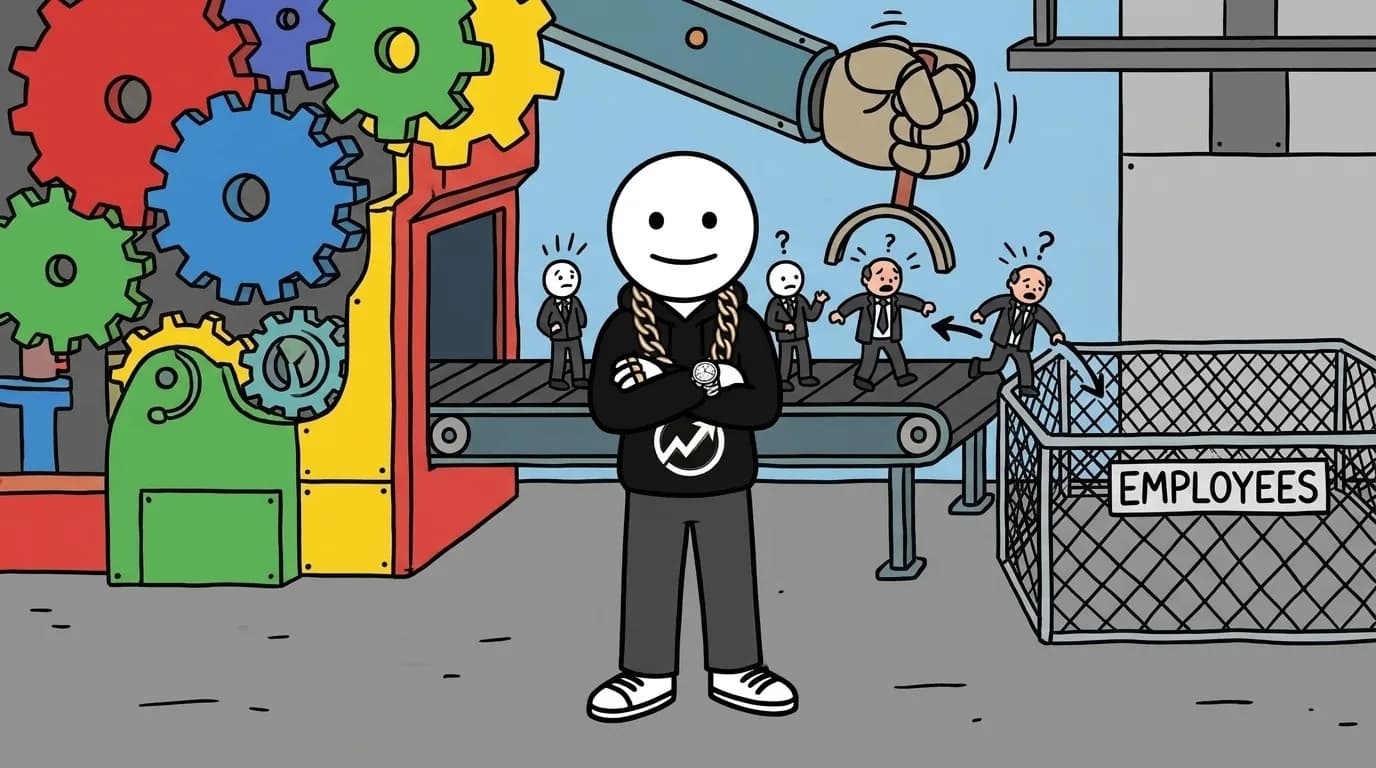
- In practice, central banks target NAIRU (Non-Accelerating Inflation Rate of Unemployment), actively engineering a reserve pool of jobless workers.
- When unemployment drops too low, workers gain the bargaining power to reject poor conditions and negotiate higher salaries.
- Central banks raise interest rates specifically to slow business growth, freeze hiring, and force job cuts to suppress wage inflation.
- True financial safety cannot come from relying entirely on a corporate job within a system designed to keep labor in check.
Every election cycle, politicians stand behind podiums and declare that their primary mission is creating jobs for every single citizen who wants to work. We grow up believing that an economy with zero unemployment is the ultimate goal of civilized society.
Yet behind closed doors in central bank meeting rooms, economists actively panic when unemployment numbers drop too low. If you have ever wondered why millions of capable people remain out of work even during economic booms, here is the uncomfortable truth: unemployment is not an accident in the economy. It is a feature designed into the machine.
The invention of NAIRU
In the late 1960s, economists formalized an economic theory that still governs modern monetary policy: the Non-Accelerating Inflation Rate of Unemployment, or NAIRU. It argues that if too many people find steady work, the entire economic system risks dangerous inflation.
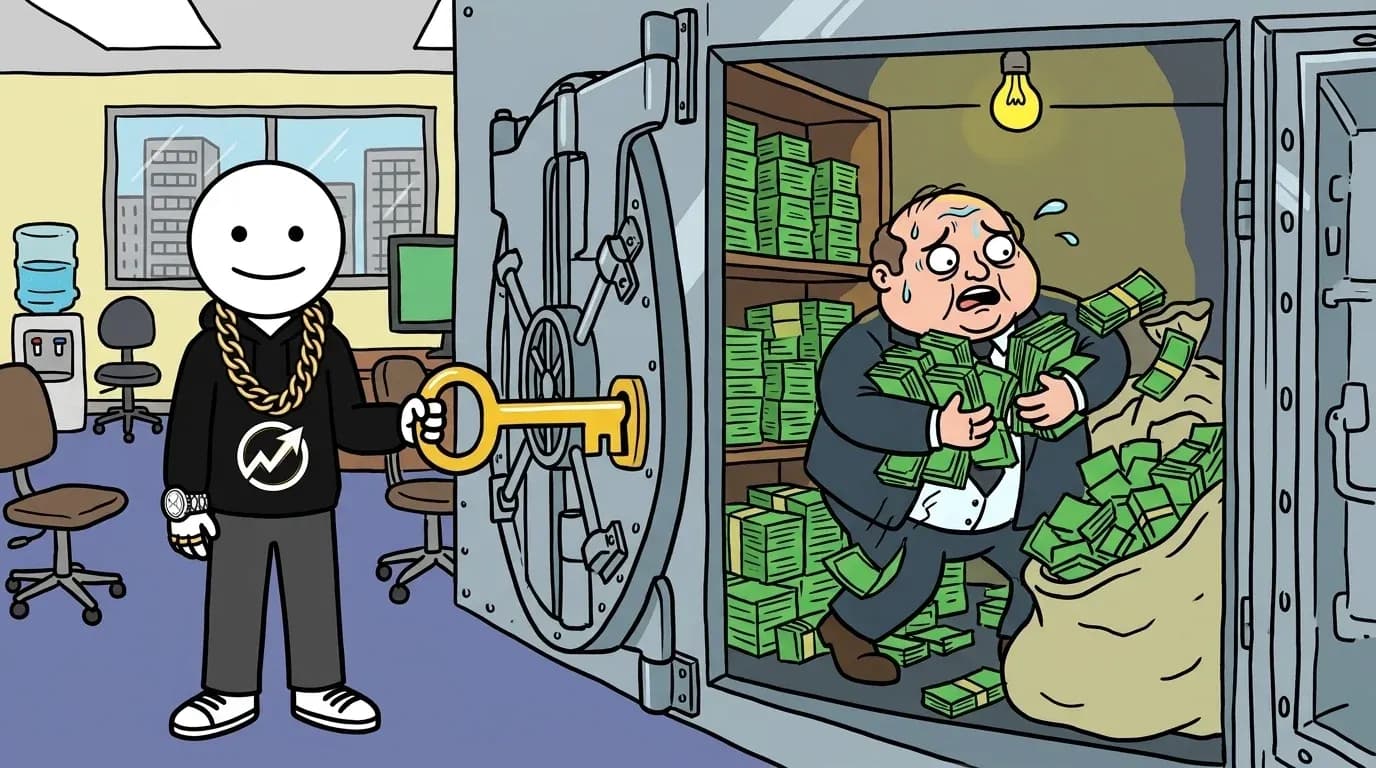
The logic is brutally simple. When every worker is employed, companies must aggressively compete for talent. Employees gain the confidence to walk into their manager's office, demand a twenty percent raise, or quit on the spot for a better offer across the street. Workers suddenly hold the leverage.
To fund those higher wages, companies raise prices on products and services. That triggers what economists call a wage-price spiral. To prevent that spiral, policymakers decided that society requires a permanent buffer of unemployed citizens to keep labor obedient and wages under control.
“When everyone is safely employed, employees hold the leverage. The system maintains unemployment to ensure that fear stays on the side of the worker.”
The interest rate brake pedal
How does a central bank deliberately increase unemployment without passing an unpopular law? By adjusting benchmark interest rates.
- National unemployment drops below target
- 3.4% (Worker bargaining power peaks)
- Average annual wage growth accelerates
- +5.2% year-over-year
- Central bank policy response
- Aggressive interest rate hikes (+500 bps)
- Corporate capital cost rises & projects stall
- Hiring freezes and mass corporate layoffs
- National unemployment forced back up
- 4.5% (Slack reintroduced to labor market)
- Worker wage growth cools down
- Cooled to 3.0% (Employer leverage restored)
Central banks openly use interest rate hikes to create slack in the labor market, removing employee leverage to demand higher pay.
When the Federal Reserve or European Central Bank raises borrowing rates, mortgages become expensive, corporate loans dry up, and business expansions grind to a halt. Companies immediately cut marketing, cancel new initiatives, freeze headcounts, and announce restructuring layoffs.
How to insulate yourself from intentional cooling
- Recognize that corporate loyalty is asymmetrical: A company will eliminate your role without hesitation the moment macroeconomic winds change and borrowing costs increase. Never confuse your job title with your identity.
- Build an untouchable freedom runway: Maintain six to twelve months of living expenses in liquid reserves so a sudden corporate restructuring never forces you into panic or bad negotiating positions.
- Develop monetizable skills outside your 9-to-5: Dedicate your evenings and weekends to creating independent consulting offers, digital products, or service channels that do not rely on corporate permission.
- Transition from selling labor to owning capital: The ultimate escape from the employment cycle is owning income-producing assets. Equities, cash-flowing real estate, and intellectual property pay you regardless of what central banks do to labor markets.
The end
Found this useful? The fastest way to support the page is to share the reel with one person who needs it.
The Sunday Money Note
1 mindset shift and 3 actions to take that week, in your inbox every Sunday morning. A 5-minute read that starts your week with clarity instead of the Monday dread.